Artist
By her hand: How women in the arts are building their own seats at the table
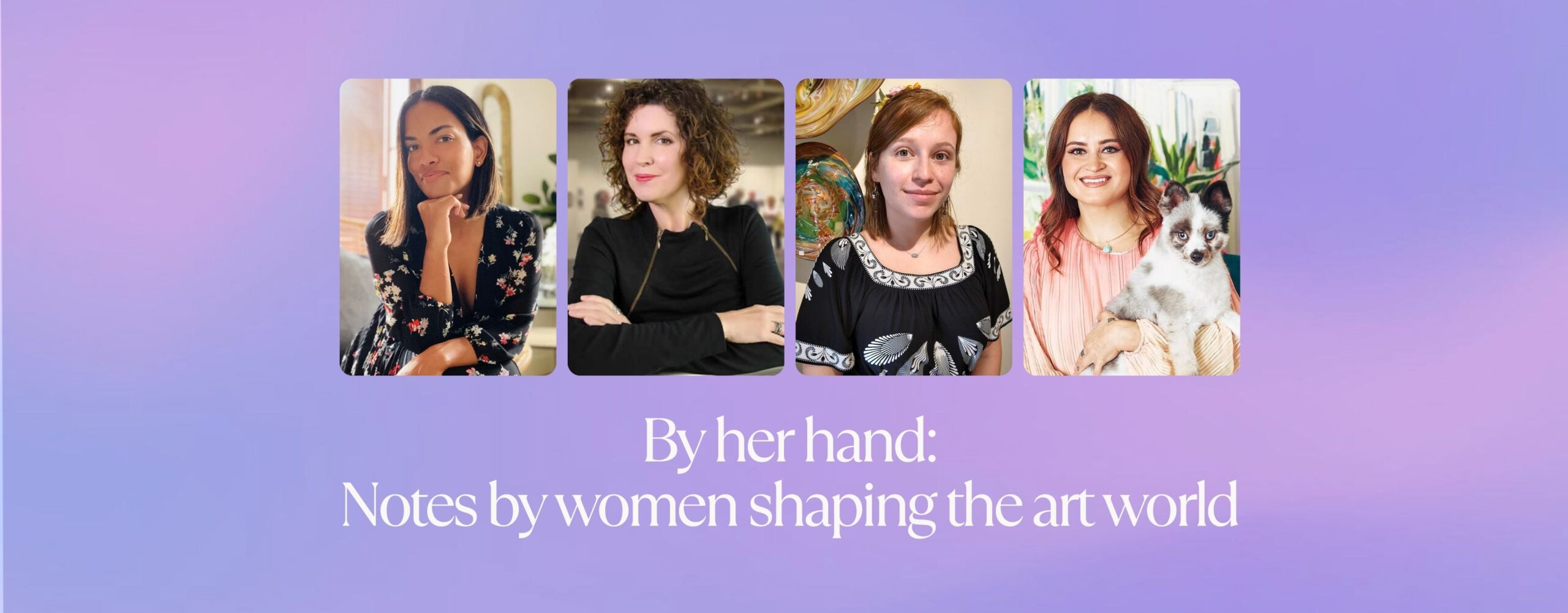
What does it really take to build a career in the art world? For many women, the answer begins not with opportunities handed to them, but with the decision to stop waiting for it.
Over the past few years, we’ve spoken to female artists, gallerists, and art professionals about the real experiences behind building a career in the arts: the doubt, the rejection, the community, and the moments that changed everything. What emerged were not polished success stories, but something more useful: honest, hard-won lessons about visibility, self-advocacy, and what it means to create your own path.
We want to bring these lessons forward, so as a celebration of Women’s Month, we’ve put together this article where you’ll find a selection of inspiring insights from women making their way in the art world.
Contents
Breaking into the art world as a female artist or gallerist
For Ekaterina Popova, contemporary artist, founder of Create! Magazine, and host of the Art & Cocktails podcast, the early years of her career weren’t defined by big breaks or institutional recognition. They were defined by proximity: finding ways to be in the right rooms, even when there wasn’t a seat waiting.
She didn’t start by launching a platform or defining a vision. She started by placing herself inside the art ecosystem: volunteering on days off, writing for a free art blog, showing up at local museums. Over time, that same instinct to learn by doing evolved into something much bigger: new forms of visibility, alternative exhibition spaces, and platforms built for artists themselves.
“I applied to all these art jobs, and it just didn’t happen. So the first thing I did was kind of grab a folding chair, and I started to volunteer places to build my community.”
Alicia Puig is a curator, writer, and co-founder of PxP Contemporary, an online gallery that supports emerging artists. She followed a similar path to Ekaterina’s. Before formal programs or clear pathways existed, she simply reached out. There wasn’t really a plan, just a desire to be in the room where art was happening.
“I just happened to reach out to a gallery… and ask: Do you need help? Would you accept someone to just come in and learn under you?”
At the time, it didn’t feel strategic. It felt necessary. And that, it turns out, is exactly where everything starts.
Our conversation with Ekaterina and Alicia was a deep dive into what it means to create your own opportunities as a woman in the art world. Discover how a desire to be “in the room where it happens” took them from gallery volunteers to art entrepreneurs, from asking for what you really want to building a community that supports that journey.
Self-advocacy for women in the arts
Historically, women have been encouraged to be seen but not heard, so taking the leap to actually asking for what you want can be not just challenging, but scary. It’s a daily practice, but one worth taking up. For Alicia, the shift came when she understood that no one else could (or would) advocate on her behalf.
“I just realized no one was going to be my biggest advocate, it had to be me… It’s not about your worth. It’s not about your skill. It’s about just asking and putting yourself out there.”
She realized that staying quiet, however comfortable, was keeping her invisible:
“If there’s something you want, you have to ask. No one can read your mind. No one’s going to give you those opportunities if you don’t tell them that’s what you want. If I want things to happen for myself, I have to speak up, pitch, propose. And it’s made such a big difference.”
Speaking up means refusing to disappear inside your own hesitation, and stop building mental barriers for yourself before you even encounter them. For Ekaterina, asking also meant reframing how she positioned herself, moving away from self-doubt and toward service:
“You have to sell yourself in a way and show them how they can benefit from what you’re doing… not from a place of ‘I’m not good enough,’ but asking, ‘How can I fit into their world? How can I be of service in their world?’”
Ekaterina puts it plainly: think about how you can fit into someone else’s world. Whether it’s promoting their work, pitching a collaboration, or simply showing up to say I paint landscapes, and you’re curating a show about nature, the connection is there. You just have to make it visible.
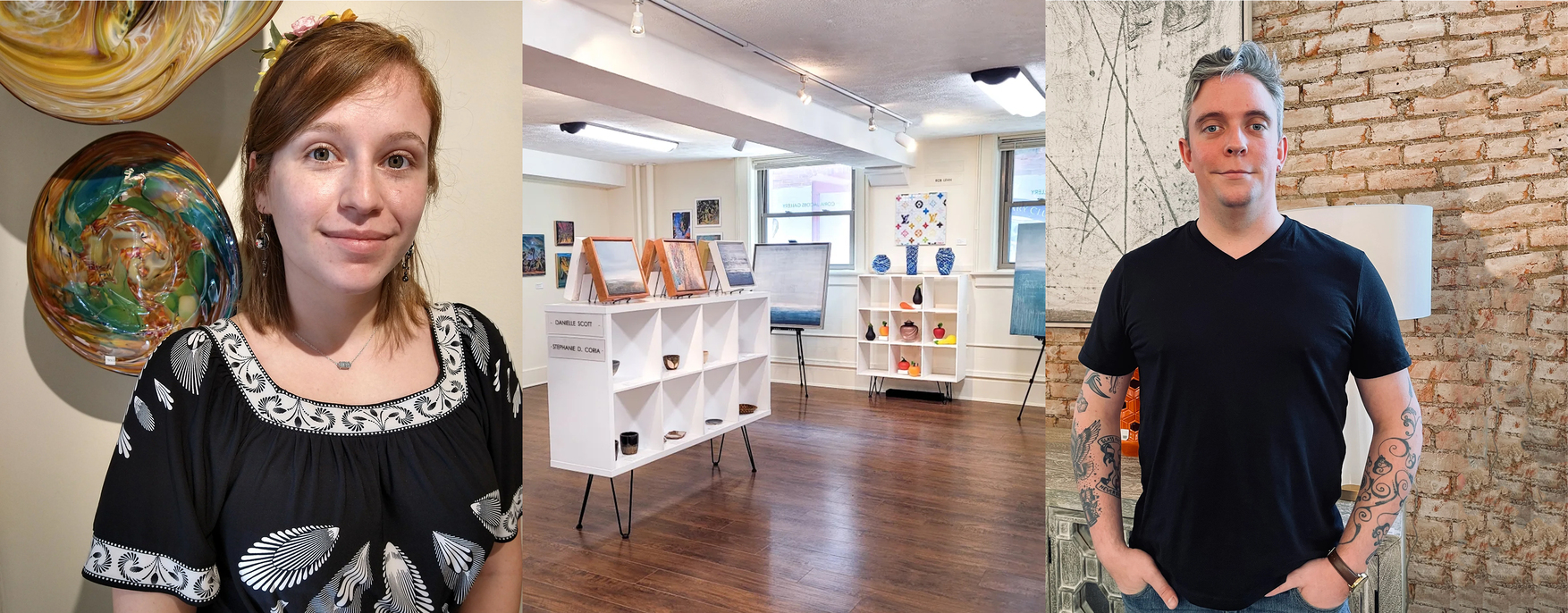
From the gallery side, Stephanie Coria, art historian, sculptor, and co-owner of Coria Jacobs Gallery, sees how confidence in decision-making shapes perception:
“Every decision that you make does have a big impact. And if you have confidence in it, then you know you can follow through, or that the people around you who were waiting on that decision will also have confidence in you and follow you.”

Dealing with rejection is a major part of growing your career. It can be challenging, but remember: resilience is built over time.
How women in the arts build resilience
Putting yourself out there means accepting rejection as part of the process. Not just once, but repeatedly. Pitching, applying, proposing… it all comes with silence, nos, and missed connections. You can’t avoid rejection, so the key is learning how to deal with it without internalizing and keep moving towards your goals. Alicia is direct about this reality:
“It’s a lot of putting yourself out there knowing that you’re going to get a lot of nos, and you’re going to get a lot of crickets. Luckily, when you do get that one yes back, it really helps make up for all the other ones.”
And, importantly, a lot of rejections have nothing to do with you. Timing, competing priorities, a moment of distraction, these things shape outcomes more than we realize. The mindset shift is learning not to internalize what isn’t yours to carry. Think of it as exposure therapy: the more you do it, the easier it becomes. Your thick skin will develop over time. Ekaterina, who has been building and creating for years, describes getting to a place of genuine calm around rejection:
That kind of resilience isn’t built by avoiding rejection: it’s built by facing it head-on and pushing through the discomfort to get to the other side.
“I just got a rejection last week. And I literally felt nothing. I’m so numb to it. I’m like, cool, next one, moving on. And it’s this process of just continuously applying to things that you like, or writing to people that you want.”
Being shy about money is only going to hold you back. Crista’s direct approach and no-nonsense attitude for dealing with the things that make us uncomfortable is a lifesaver. Learn why a business plan matters and how to create yours, deal with the “money stories” you tell yourself, and learn to find the resources you need to shape your career how you truly want.
Taking creative risks as a woman in the art world
One question comes up constantly in creative communities: How do I know my efforts are going to be successful?
The answer, as Ekaterina puts it, is that you don’t. And that’s precisely the point: letting your passion be both a driving force and a goal on its own.
“When you’re really passionate about something, and that thing has to come out… it’s trusting yourself, and knowing that even if that specific thing is not necessarily the most successful thing you’ve ever done, you don’t know what doors it’s going to open.”
The key is remembering that movement, even imperfect, uncertain movement, creates possibility. Crista Cloutier is an art business coach, consultant, and mentor who helps artists build sustainable careers through her platform The Working Artist. She shares:
“When I started, people said ‘well you could be you know 50, 60 years old before you see any success with your plan’, and I thought, I’m going to be 50 or 60 years old anyway, so how do I want to spend those years?”
The time will pass anyway, so you might as well spend it working towards what you actually want.

Being part of a community makes all the difference. From sharing joys to commiserating when you’re feeling low, find the time to make space for others in your life and see how your passion grows.
Why community matters for women in the arts
Creative work is often imagined as solitary, but very few people sustain a life in the arts alone. Momentum doesn’t come only from discipline or drive; it comes from being witnessed, understood, supported, and reminded that what you’re experiencing isn’t unique. For Alicia, community shows up in the simplest, most human way: recognition.
“Sometimes commiserating is just the most wonderful thing. Hearing someone else say, ‘I am going through this too,’ makes you feel infinitely better.”
The work is demanding, she notes. It requires consistency, effort, and a tolerance for uncertainty. Knowing others are navigating the same terrain makes it possible to keep going, especially on the days when motivation dips:
“Not only having someone else who’s saying they’re going through it with you, but knowing that other people are there… that accountability. It’s so much easier to keep going when you know people are there, cheering for you and supporting you when you don’t have your best days.”
Community isn’t abstract. It’s built and joined over time, through shared effort and mutual care. For Stephanie, that sense of support began early, through the women she worked alongside and learned from. When she entered the gallery scene, she found herself working for women-owned galleries, watching how female leaders navigated power, conflict, and authority.
“There are so many women who have been role models in my life. I really look to see how they handle different situations, and how they really hold their voice against anybody who might try to shut them down.”
Seeing women stand their ground, confidently and visibly, reshaped what felt possible:
“It shows a lot of power… you don’t have to be a man in order to be an artist, or to be a gallery owner. You can really stand up for yourself. It’s really awe-inspiring to see other women stand out in their careers and be so confident in what they’re doing.”
As a professional artist, art historian, and gallerist, Stephanie has experienced the art world from all angles. In our conversation with her, we touched on how you can keep growing and changing lanes as your interests develop, and what real progress for gender equality in the arts could look like.
Community also has to stretch to meet life where it is. For Crista, that often means helping women, especially mothers, rewrite the rules they’ve internalized.
“It’s really easy to think that once you wear that mom badge, you’re not allowed to be an artist anymore. That’s not true. And it’s not fair. Create creative time with your kids. Create playtime with your kids. As much as you can marry your creativity into what you’re doing as a mom, that’s beautiful. You get to be in the art club. If you can set some really gentle goals for yourself… that’s okay. That’s enough. The stories we tell ourselves are what get us into trouble.”
Support, Crista adds, doesn’t come from one place:
“Be open to all kinds of different resources, because support comes in many different ways.”
Community is built by people, shared resources, and collective problem-solving. Stephanie saw this play out in real time. When she and her fiancé took the leap of opening the Coria Jacobs Gallery, they didn’t do it alone.
“We decided to reach out to other artists that we knew, and they just jumped at the opportunity, not only to support us, but to have their work shown. Being able to share not only our work, but the work of others and the work of our friends, that’s what made it possible.”
That’s the thing about community; it’s not a resource you draw from, it’s one you build by giving. In a field that often emphasizes independence, we have to remember that sustainability grows through connection. Through shared effort. Through people who remind you that you belong, exactly as you are, exactly where you are.
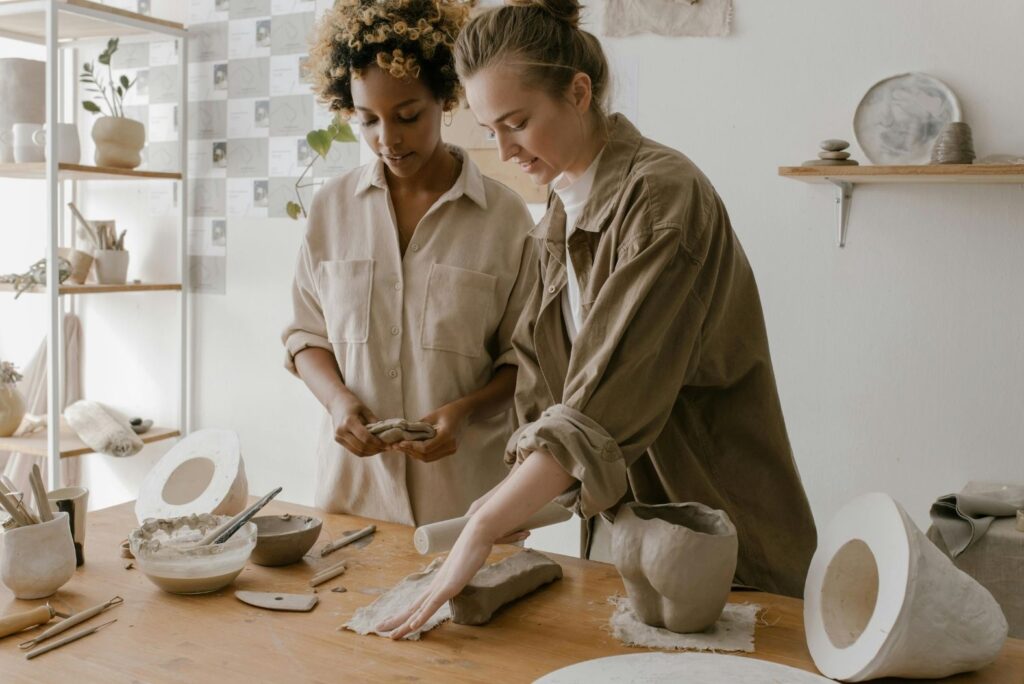
You can’t wait for permission: the world is yours to shape. Build your career, on your own terms.
Female artists and gallerists are not waiting for permission
Perhaps the most consistent thread through all of these conversations is this: the art world will not open its doors on its own timeline.
As Crista puts it:
“We have to stop waiting for the world to empower us. Stop waiting for museums to say, ‘Now we’re opening our doors to women.’ Don’t sit there and twiddle your thumbs until someone gives you permission. It starts in here, and then we have to go out there, and that’s how we’re going to change the world.”
Progress in the art world doesn’t move in straight lines. It comes through small acts of courage: sending the email, asking the question, setting boundaries, showing up for others, learning the parts no one taught you, and sharing that knowledge with those who come after you.
Women in the arts aren’t waiting anymore. They’re building tables, pulling up folding chairs, and inviting others to sit with them, not because it’s easy, but because it’s necessary. And because change only happens when we dream and work together.
Note: The quotes have been edited for length and clarity.
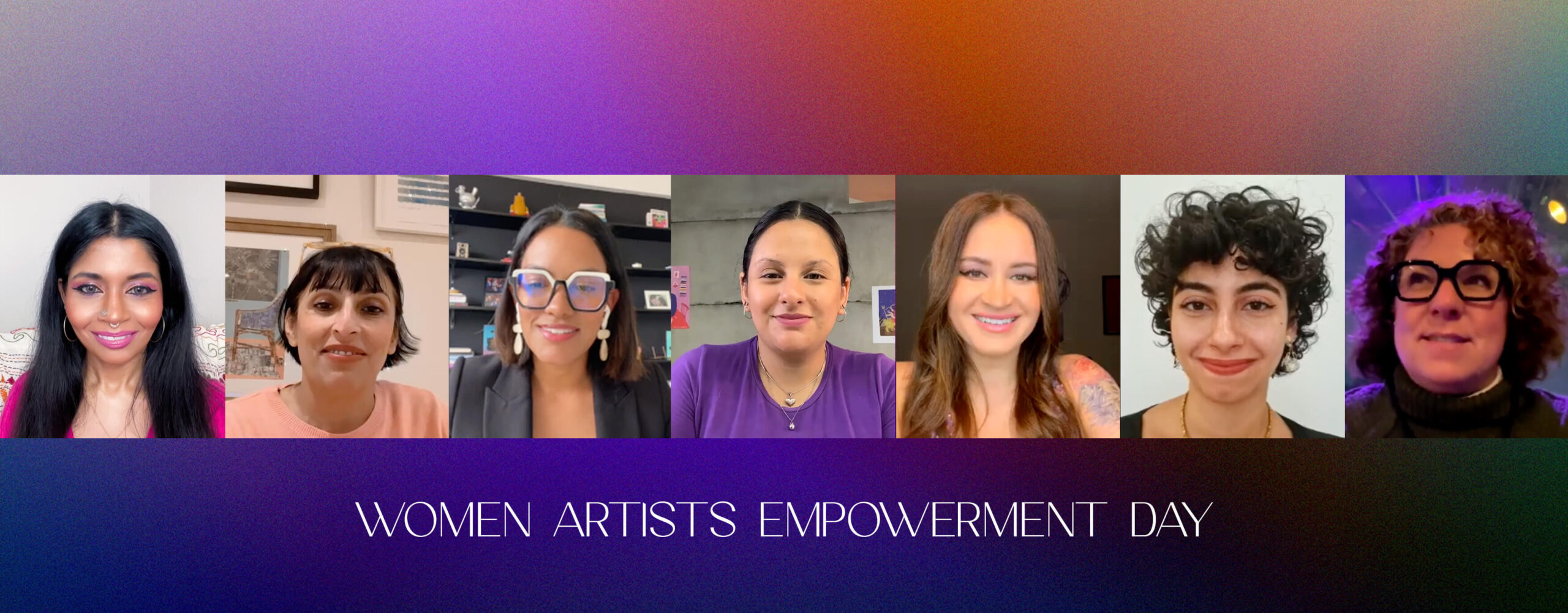
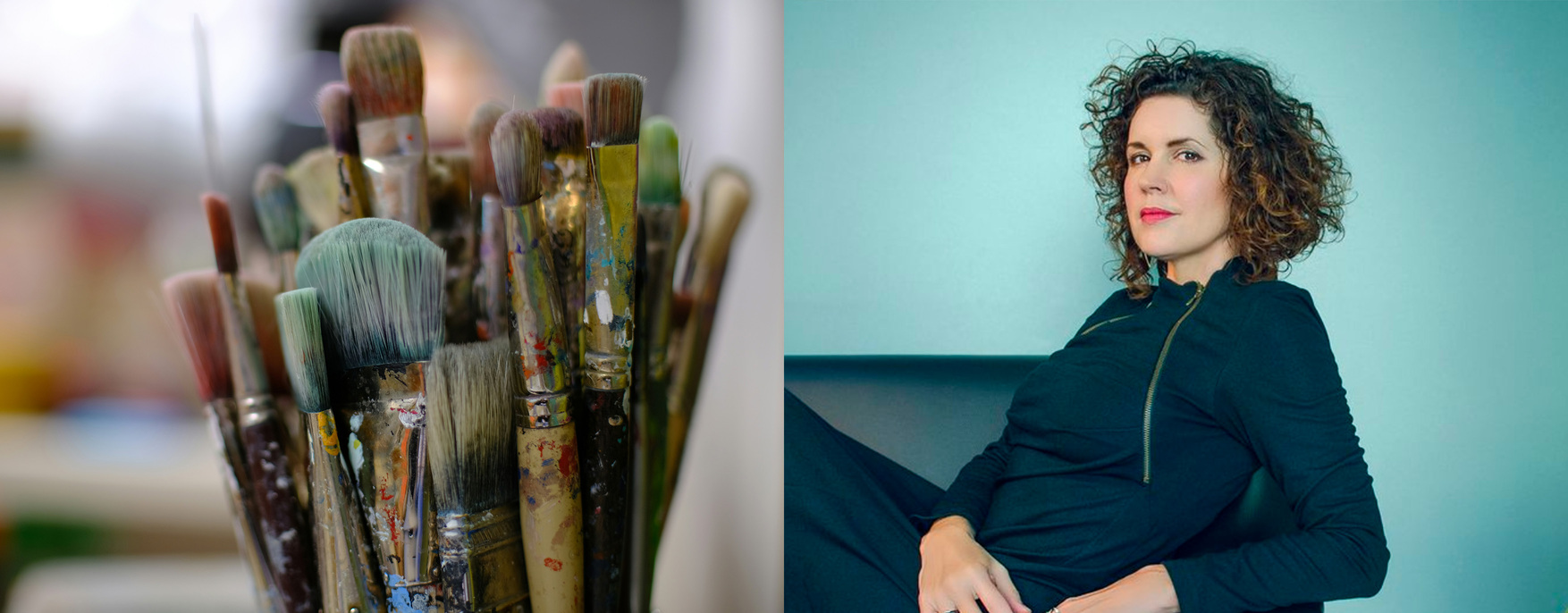
What a great platform! Looks and feels like a great place to sit, listen to and think about Women’s place in the world of Art. Thank you x
Hi Mary, thank you for your kind words. If you’re interested in more Women’s Month content, we’ll be posting more insights on our Instagram, https://www.instagram.com/artplacer.app, give us a follow!
Kind regards