Features
2025 at ArtPlacer: a year of growth, connection, and intentional design
At ArtPlacer, our growth starts with listening. To artists, galleries, and art professionals, to the real ways they work and the challenges they face. Their needs define how we use technology and innovation to support creative careers at every stage.
We’ve always believed that great technology should adapt to how people actually work, and this steered every product decision we made this year. We wanted to make the ArtPlacer experience smoother and more expansive, and the feedback we received from our users was invaluable in making that happen. The result is a platform that meets leading industry standards while remaining intuitive, approachable, and connected: a true hub, not a collection of tools.
Read on to learn more about what this year looked like for ArtPlacer: what we built and why, the community that continues to inspire us, and what’s ahead for us. Thank you for a great 2025!
Contents
Advancing tech, honoring human creation
This year, our commitment to building with intention took us straight to the heart of the tech world. Our CTO and Co-founder, Martin Zaleski, traveled to Silicon Valley to connect with industry leaders, explore emerging technologies, and get perspectives on where innovation is headed, so that we can translate those insights into better, more relevant tools for our users. Martin said:
“It was truly inspiring to learn about AI and innovation from Ivy League professors, visit places where disruption happens, and feel in person the pulse of what is shaping the future. Grateful for the experience, the learning, and the reminder of how powerful curiosity and connection can be. Big thanks to everyone I shared this journey with, especially to those who made it possible. Cheers!”
Towards the future, and as we explore the possibilities that AI can open up, one guiding principle remains unchanged: art is, and will always be, made by people. Human creativity, intention, and connection are at the center of everything we do. Our focus now is understanding how AI can thoughtfully support artistic practice, streamlining processes, removing friction, and giving artists and galleries more time to give themselves fully to what matters most: creating and promoting art.
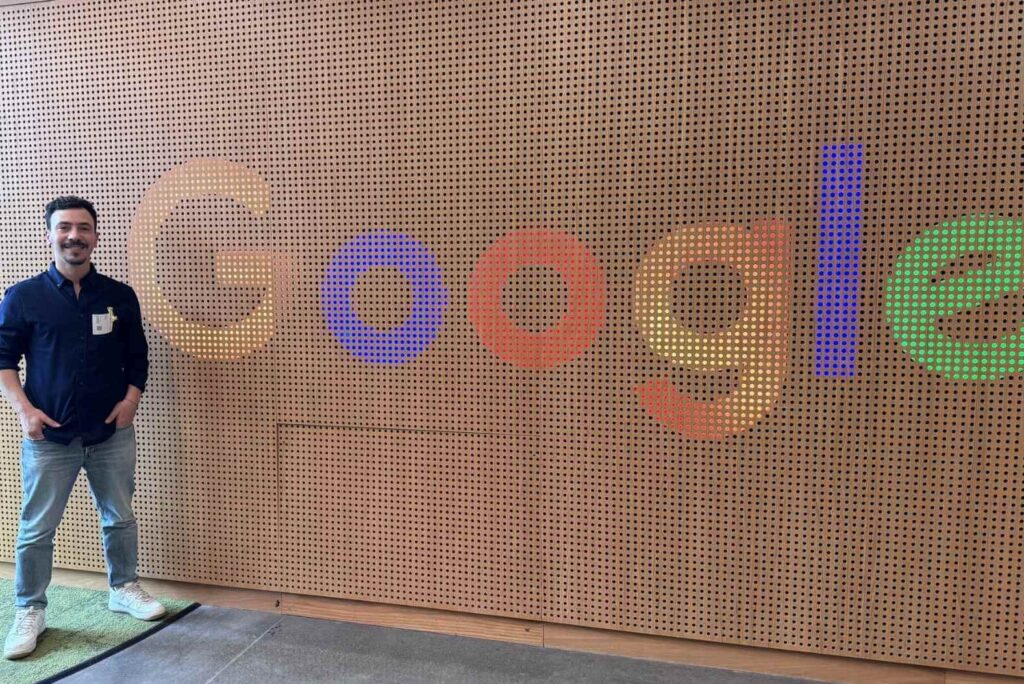
Martin Zaleski, CTO and Co-founder of ArtPlacer, at the Google offices during his visit to Silicon Valley.
Supporting the people behind the art
Throughout 2025, our focus remained steady: supporting artists, gallerists, art advisors, dealers, collectors, and everyone navigating the art market. And we brought that determination into the real world, showing up where art is experienced, exchanged, and discovered. We really enjoyed meeting our community IRL during fairs and getting to see their creations online, and we’re grateful to everyone who took the time to share their time with us. Let’s stay connected.
On the ground at Affordable Art Fair New York
We were thrilled to join Affordable Art Fair New York as Art Marketing Partners again this year. We participated in both the Spring and Fall editions, supporting exhibitors and visitors with practical art marketing tools and advisory services, helping everyone navigate the fair with confidence and purpose.
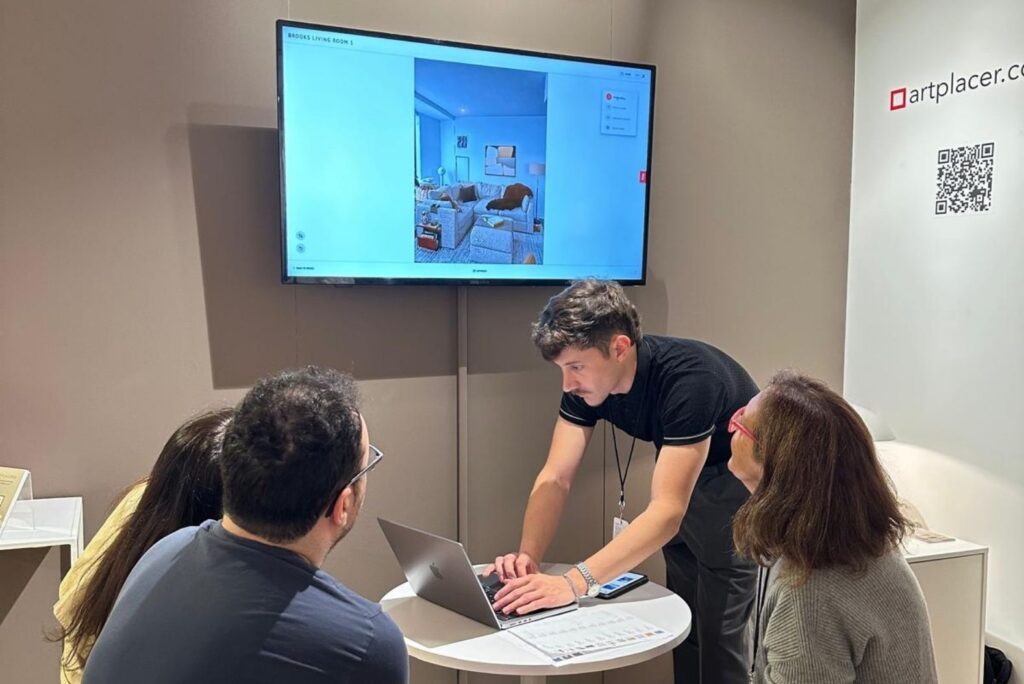
The ArtPlacer team provided advisory sessions to visitors, so they could see their favorite pieces on their own walls and make confident buying decisions.
Preparation during the fair is key. Marisol Lozano-Loza, founder of Marisol Art NYC, used ArtPlacer’s Art Show Planner to design her booth in advance, allowing her to plan the flow and spacing of the artworks without stress. She even printed out the Art Show Planner layout and brought it with her during setup to make the whole process easier.
Beyond the booth walls, we wanted to create a space for reflection around art. In celebration of Women’s History Month, we interviewed the Affordable Art Fair New York Fellow galleries, all women-led, speaking with their founders and artists about their experiences in the art world, the challenges they face, and what it means to build an art career.
Mel Reese, represented by Warnes Contemporary, challenged misconceptions about women in the arts; from Harsh Collective, Etta Harshaw, founder and creative director, shared the most powerful lesson she’s learned as a female gallerist; and visual artist Ruby Bateman talked about the place self-confidence and bravado occupy for artists. From SHEER, the NYC-based media company and virtual art gallery, founder and curator Bianca Jean-Pierre gave her perspective on what equality means in art, and surrealist Alanis Forde discussed the role of women in today’s art world.
A branded, connected experience
For the Spring edition, Affordable Art Fair introduced its own Mobile App developed by ArtPlacer to elevate the experience. Visitors could plan ahead, save favorite works, and search and discover artists and galleries. The standout feature of the app was the Augmented Reality visualization, which allowed collectors to see the artworks in their own spaces straight from their phones, streamlining sales by eliminating doubts around size, style, and fit of the pieces.
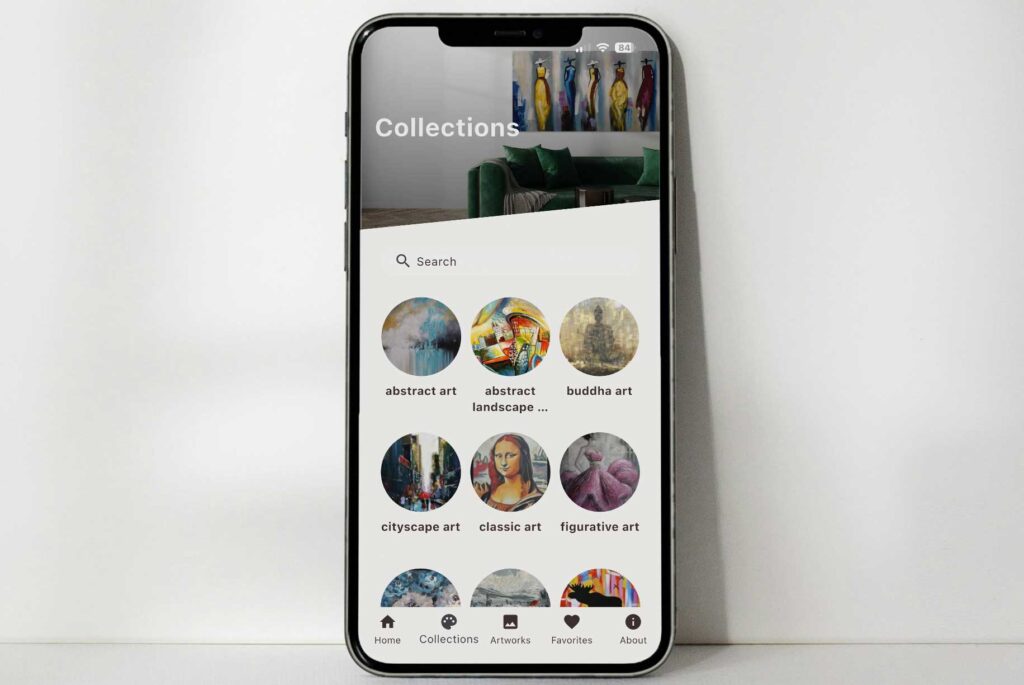
Kunstlageret got in touch to develop their own Custom Mobile App, which elegantly displays artworks and collections in a single branded hub.
The Custom Mobile App is an exclusive service we provide for our galleries. It’s a personalized, fully branded experience and a true game-changer for galleries and fairs, bringing their ethos, artists, and artworks into a single, cohesive space. It also enables direct inquiries and purchases from within the app, reducing friction and simplifying the path to sale. A clear example is Kunstlageret, a Swedish creative hub connecting both new and experienced collectors with carefully curated contemporary and historical works.
Interested in getting your Custom Mobile App? Connect with us and get a quote.
Turning interest into connection
One of our major launches this year was the ArtPlacer CRM. Fully integrated across the ArtPlacer ecosystem, it lets galleries capture and manage collector inquiries from a single place, whether they come from Viewing Rooms, Online Portfolios, Virtual Exhibitions, or the Custom Mobile App.
All interactions flow into the Contacts section, where you can review messages, contact details, and the source of each lead. We also send weekly email summaries of these interactions to keep everyone updated on what’s happening. Art sales are driven by relationships, so we aimed to provide galleries with a clearer, more organized way to follow up and build connections over time.
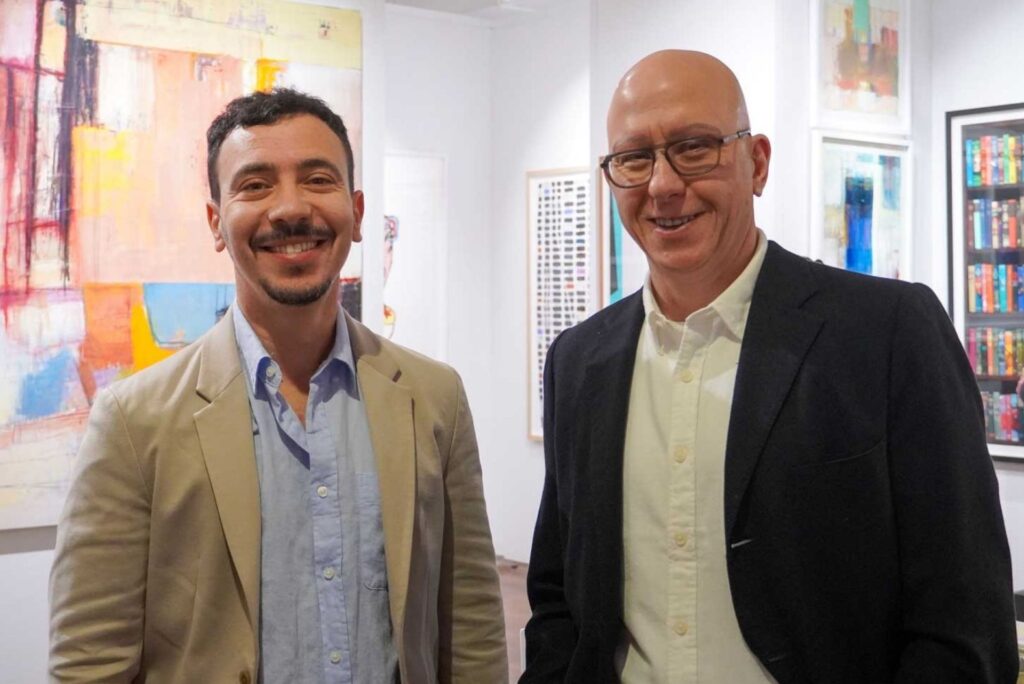
Martin Zaleski, CTO, and Nicolas Michael, CEO, Co-founders of ArtPlacer.
Latin American art on the global stage
Latin American art continues to gain global visibility, and we’re excited to support that momentum. This year, we were at Pinta Miami as Technology Partners, assisting exhibitors with a free ArtPlacer account that gave them the tools to extend their presence before, during, and after the fair, during Miami Art Week, one of the most important weeks in the global art calendar.
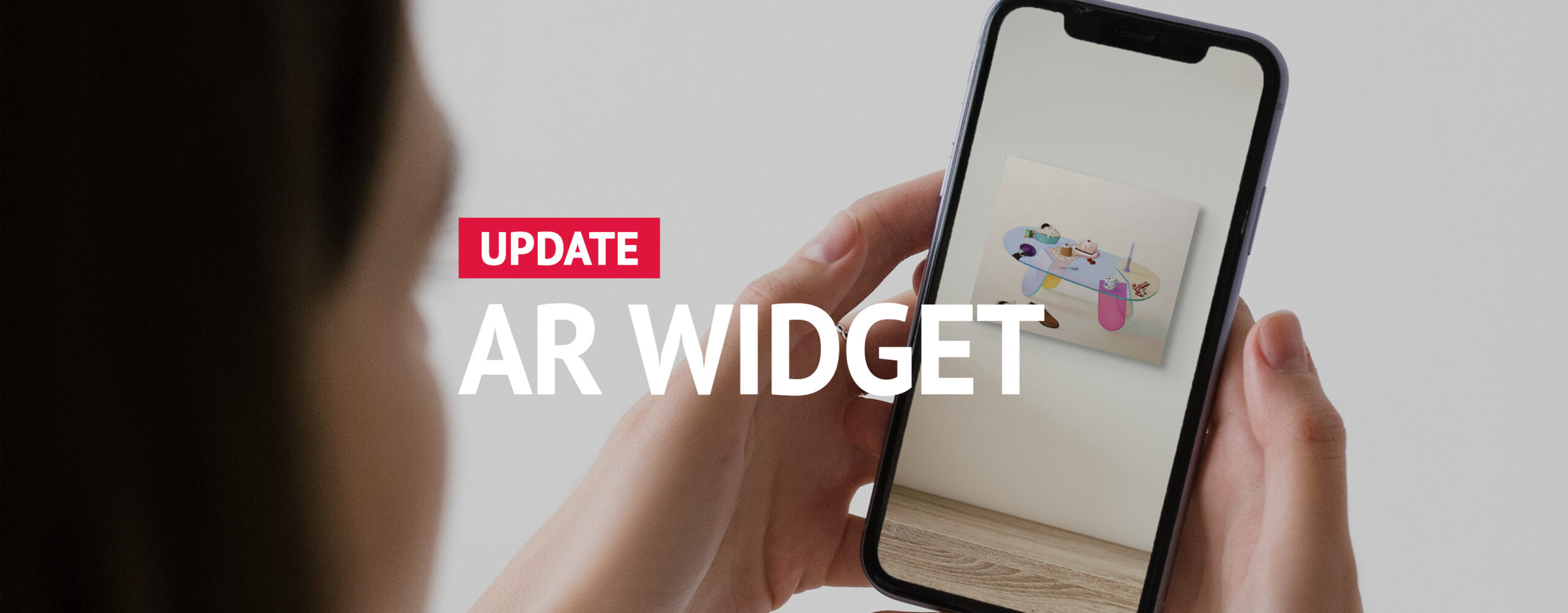
We also expanded our work with leading platforms in the region. Diderot and Pared are Argentinian art marketplaces that redefine how art is bought and sold in Latin America. Both use Room Mockups on their product pages to showcase the pieces and offer an Augmented Reality experience with the View in AR Widget. The Widget received a major upgrade this year: with one click and from any device, collectors can see artworks on their own walls using Augmented Reality. This visualization is powerful and helps solve common collector questions, promoting confident buying decisions; less friction means more sales.
The View in AR Widget got a major update: with a single click, you can visualize any piece, anywhere.
Designed for meaningful conversations
This year, we also launched Presentations, a tool designed to help gallerists and art dealers present artwork professionally while responding faster and more personally to collector inquiries.
In a competitive market, clear information, strong visuals, and tailored presentations can make a big difference. Presentations was built to address that, giving galleries the assets they need to engage collectors and strengthen long-term relationships.
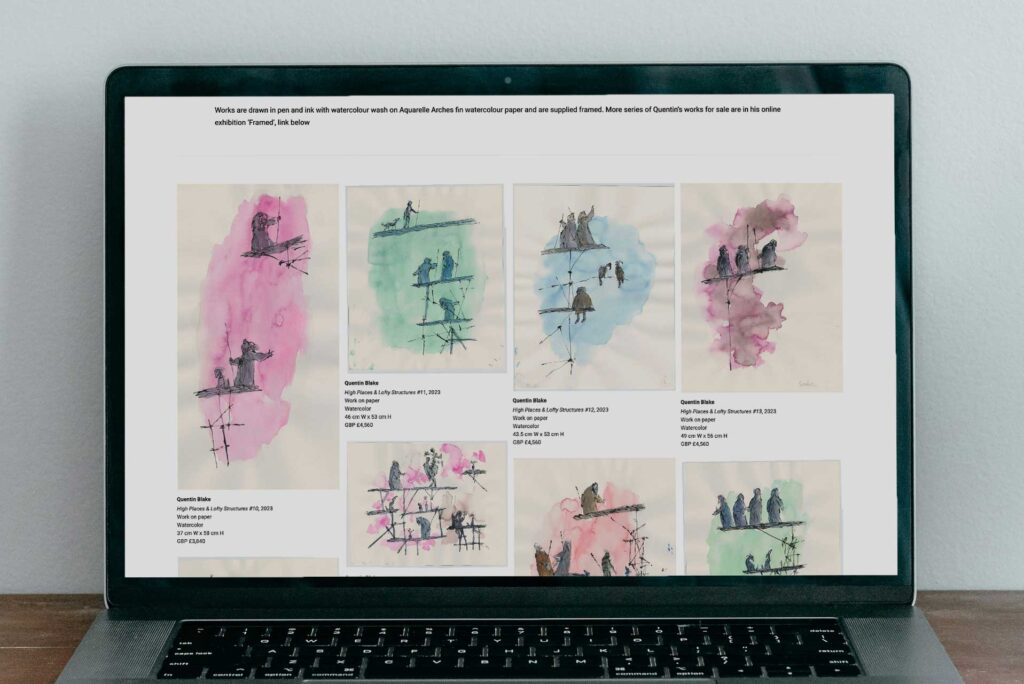
Sir Quentin Blake’s Online Viewing Room. Some of the pieces have been sold, which you can mark with a red dot, the standard for art sales everywhere.
A great aspect of Presentations is Online Viewing Rooms, customizable microsites that highlight a curated collection of artworks and include Augmented Reality visualizations. An example we loved comes from Sir Quentin Blake. High Places & Lofty Structures presented a cohesive body of work originally exhibited at Hastings Contemporary, combining context, storytelling, and accessibility in a single digital space.
Presentations also works hand in hand with Personal Spaces to help drive sales. Art advisor Anya Brock, for example, curates selections of artworks and uses Personal Spaces to present them directly in her clients’ rooms, helping them compare options, understand scale and atmosphere, and make decisions with confidence.
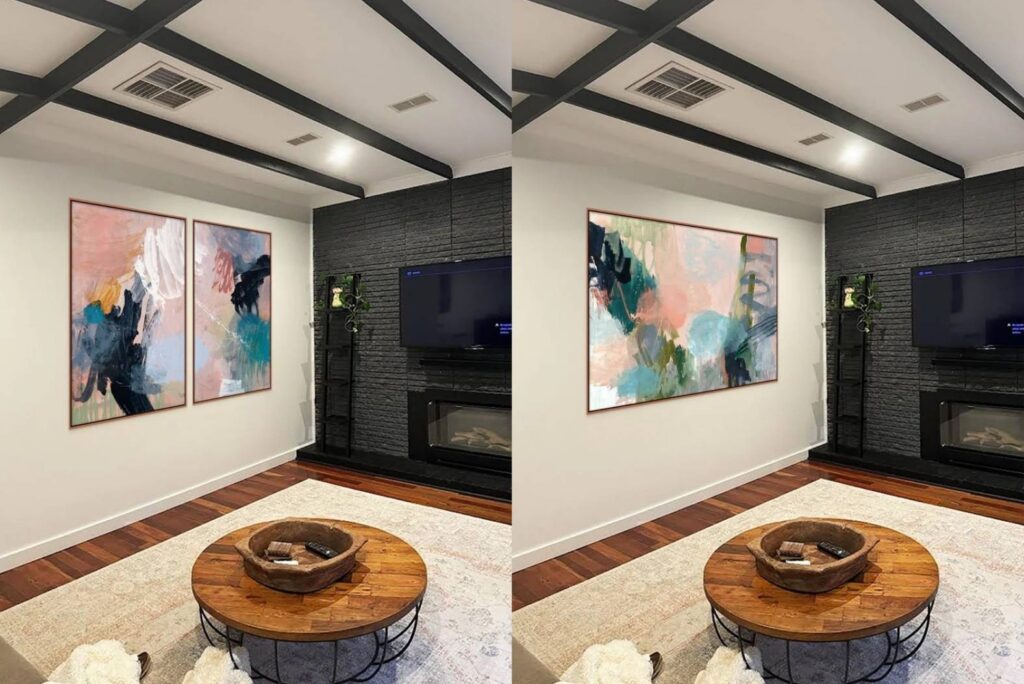
Anya Brock uses Personal Spaces to showcase different pieces in her collectors’ rooms so they can actually see how the artwork fits the space.
Powered by our community
What makes ArtPlacer what it is has always been its community. This year, we doubled down on sharing their work, highlighting their perspectives, and reinforcing the connections that keep the art world moving. It’s been a pleasure getting to know and collaborating with our users, and we look forward to continue working with them in various initiatives this coming year.
For example, we invited users to share short videos of their creative process and daily practice; the response was immediate and generous. We featured these videos across our social channels, helping artists extend their reach and giving audiences a closer look at the people behind the work.
We also launched Voices of our Community, a program dedicated to highlighting artists from our user base; showcasing their work, their stories, and their perspectives on making and sustaining an artistic practice. It was illuminating to learn how the creative mind works, and really fun to connect in this way.
Our Discover site continues to be an active and valuable space. It’s open to the public, and we created it to help galleries and artists reach new audiences while allowing visitors to explore work through Online Portfolios, Virtual Exhibitions, Room Mockups, and Augmented Reality previews. Each month, we select and feature one Virtual Exhibition across our channels, sharing it with our readers and social media followers, and we’re always delighted to find new collections curated with such intent.
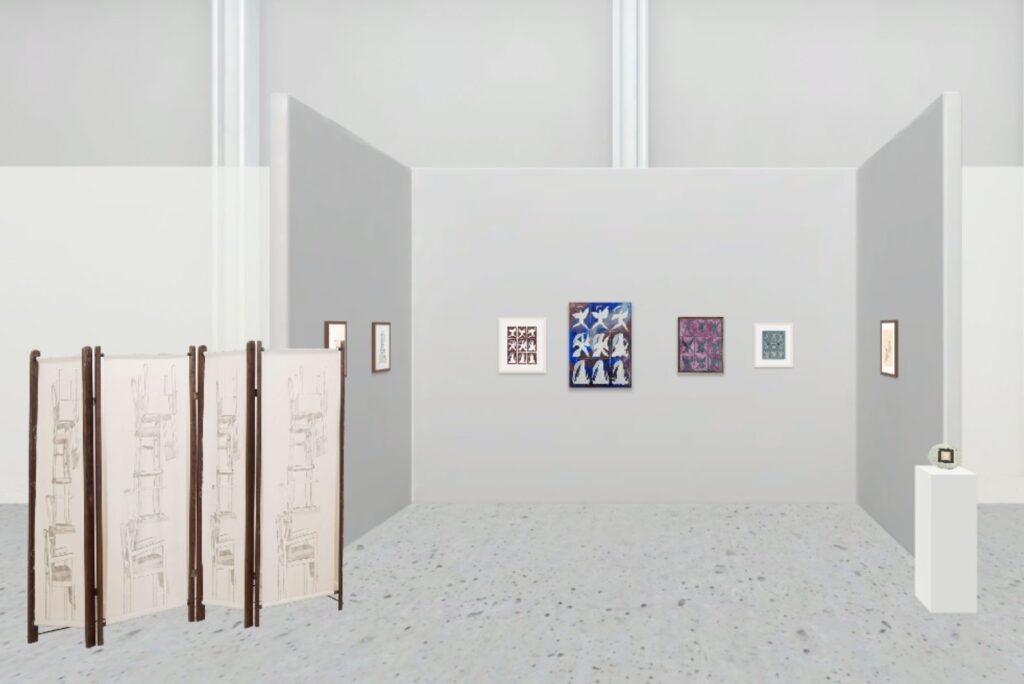
Harsh Collective’s Virtual Exhibition for the Artsy Foundation Fair recreated a fair booth digitally, extending the in situ experience in time.
The creative ways our community uses the platform continue to inspire. One highlight this year was a Virtual Exhibition by Harsh Collective: ∆y/∆x, a duo presentation created for the Artsy Foundations Fair featuring Jacky Boehm and Mo Gordon. The exhibition recreated a fair booth digitally, showing how virtual formats can extend and reframe physical presentations.
Learning, evolving, improving
At the same time, we focused on keeping the platform itself fresh, clear, and easy to navigate. We introduced a new dashboard and sidebar navigation to make moving between tools faster and more intuitive, so people can find what they need in just a few clicks.
We had the same approach with ArtPlacer Academy, revamping the look and structure to improve usability and discoverability. With ongoing updates, new content, and collaborations with industry experts, we’re keeping Academy well stocked. We want itto continue growing as a practical resource, helping users learn, get inspired, and elevate their art careers through real examples of how ArtPlacer is used in practice and the experiences of other art professionals.
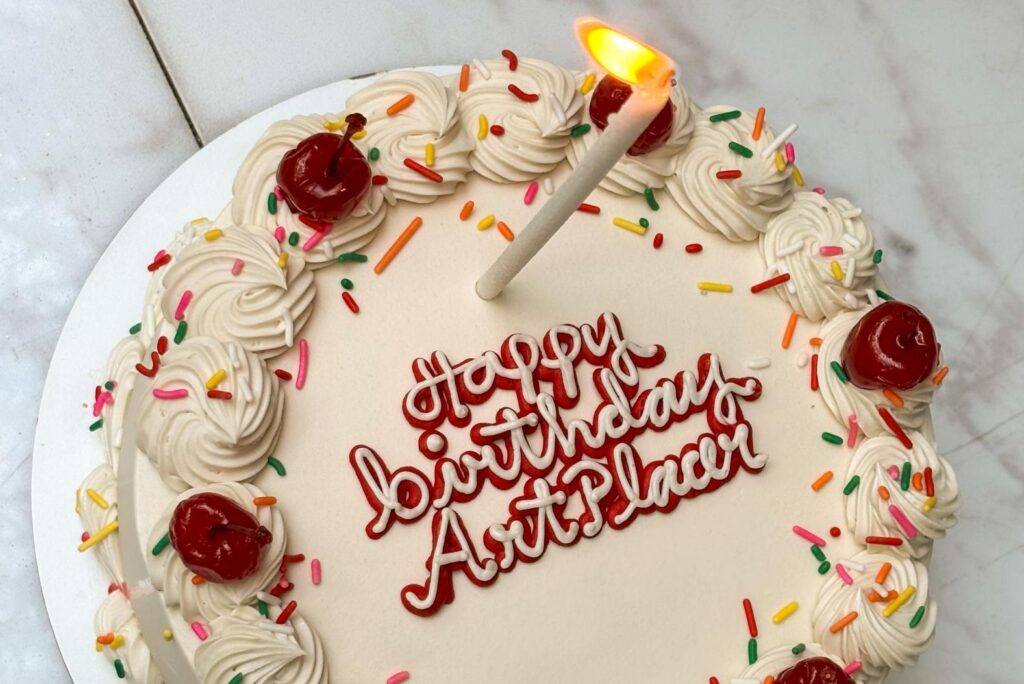
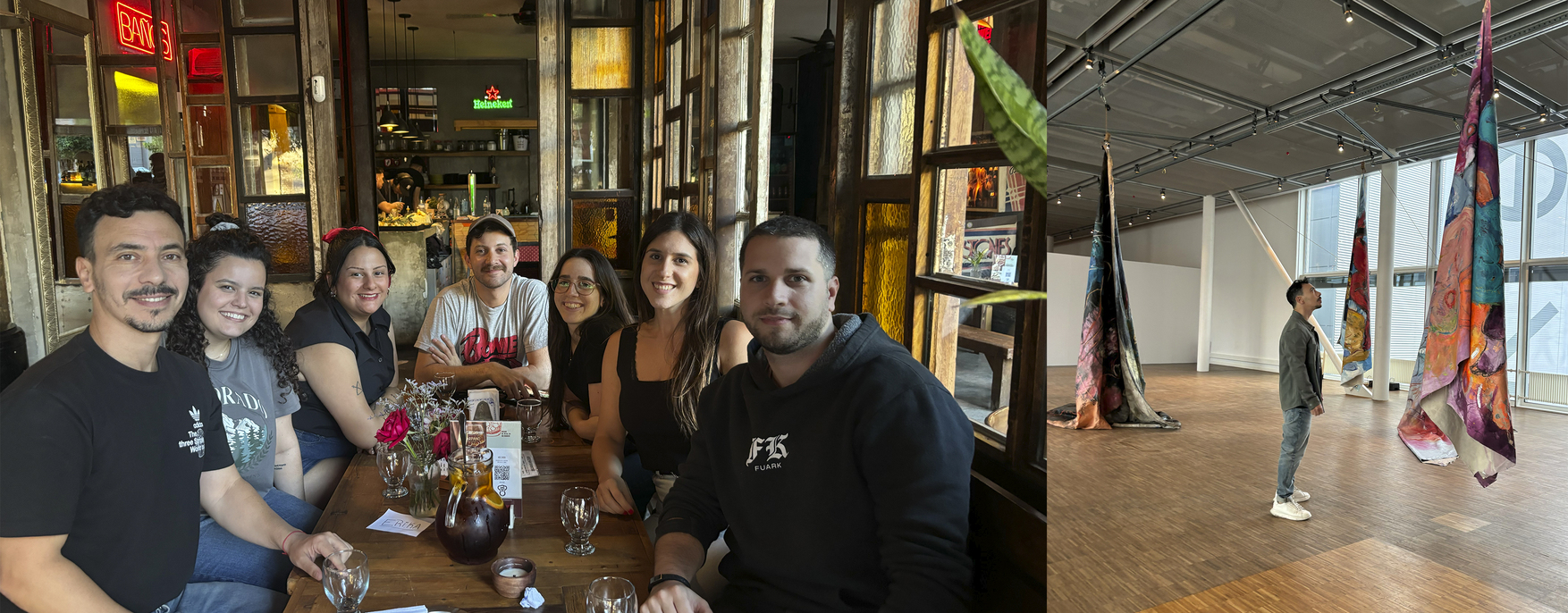
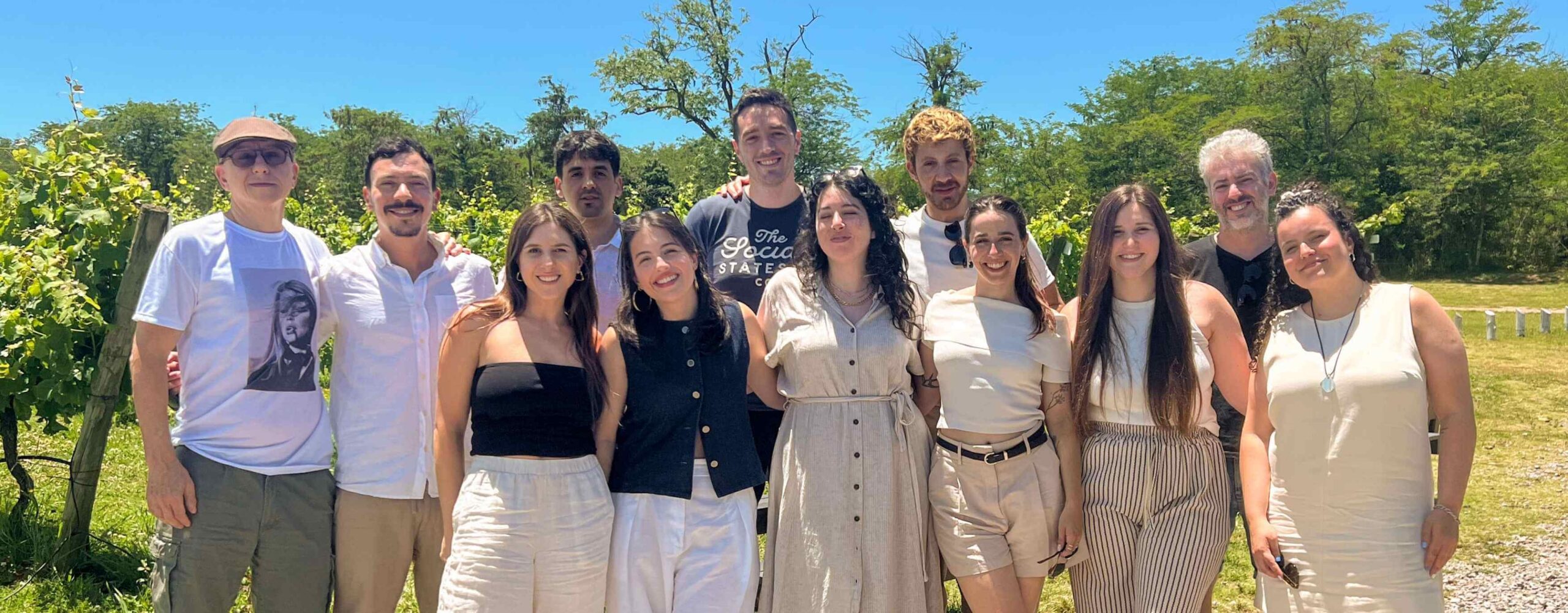
We celebrated ArtPlacer’s birthday looking forward to another great year together.
Looking ahead, together
Everything we build starts with our users. Their feedback, ideas, and daily use of the platform continue to shape how ArtPlacer grows and evolves, and we’re deeply grateful for the trust they place in us.
As we look to the year ahead, our focus remains on supporting art careers at every stage. We aim to make ArtPlacer an even more meaningful part of everyday workflows with tools that respond to real needs and make a true difference.
At ArtPlacer, we’re passionate about what we do, and we believe our work is about connection: between artists and galleries, collectors and pieces, and we’re committed to supporting these relationships. Thank you for being part of this journey, for helping guide our direction, and for growing with us. Here’s to another year of building together.