Art Marketing
How to choose art for your home: a complete guide to style, size, and placement
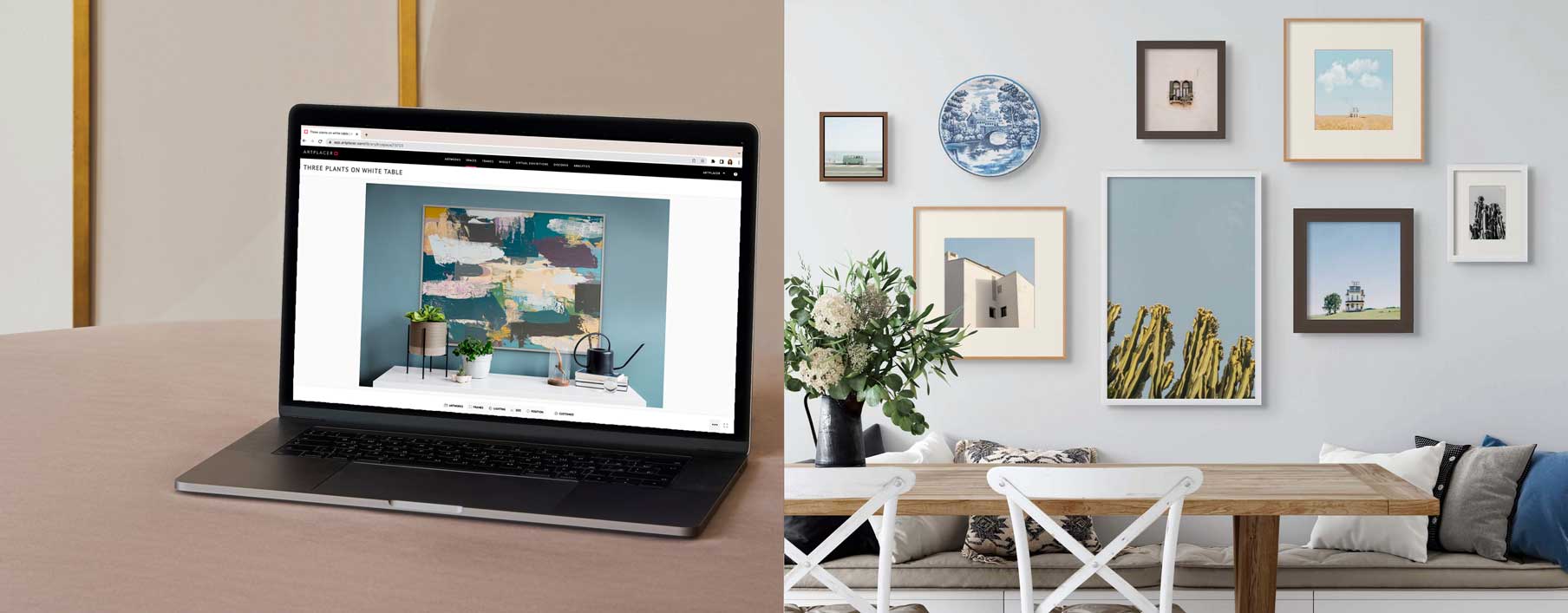
Standing in front of a blank wall with no idea what belongs there is one of the most common sources of decorating stress. But good news! You don’t need a design degree to get this right. Whether you’re just figuring out how to choose art for your home or refining how to choose wall art for one specific room, this guide has you covered. We’ll walk you through style, size, framing, hanging height, and the tools to make it all easier.
Contents
Finding art that fits your style and color palette
Before worrying about size or placement, it helps to get honest about what you actually like. Notice what you’re drawn to when you’re scrolling: bold color or muted tone, abstract shapes or figurative scenes, busy and layered or clean and minimal. That instinct is more reliable than any rule.
Now, think about the room where you want to hang the art. Matching the pieces to your existing palette is a safe, cohesive choice; a soft blue print in a room full of blues will always look intentional. But contrast can do more work and give the space tension and a focal point. For example, a deep green piece against a pale pink wall, or a black-and-white photograph in an otherwise colorful room.
Once you have a general sense of what you’re looking for, ArtPlacer’s Discover site is worth a browse. There, you’ll find work from independent artists and galleries from around the world, so you can see a wide range of styles.
Art professionals on Discover have the Augmented Reality Widget enabled on their work, which means you don’t have to imagine how a piece might look. Just point your phone at your wall and see the art hanging there, at true scale, in your actual room. Or upload a photo of your space with the Try in your room Widget and see how the piece fits. No guessing needed, because you’ll see exactly how the art looks and feels.
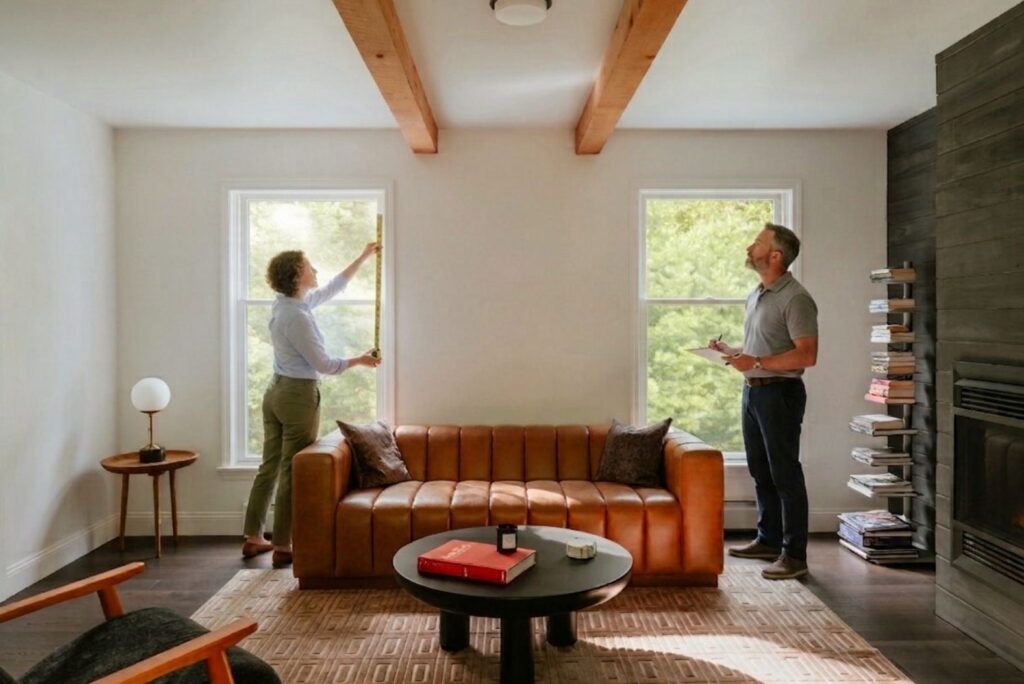
A tape measure and a plan can take you there, but using digital tools like ArtPlacer’s makes things so much easier.
How to measure wall art correctly
The simplest answer: your artwork should span roughly two-thirds the width of whatever it’s hanging above, whether that’s a sofa, a bed, or a table. That ratio is really the whole wall art size guide in one sentence. The most common mistake is going too small. A piece that looked reasonable on a screen can shrink the moment it’s on your wall.
The same logic extends to a blank stretch of wall. If you’re wondering what size art for wall space with no furniture beneath it, aim to fill 60–75% of the available width. Leave enough margin on either side that the piece or pieces read intentionally placed.
Want more precision than a rule of thumb? A wall art size calculator can turn your furniture measurements into an exact recommended size. The two-thirds rule will get you most of the way there without one.
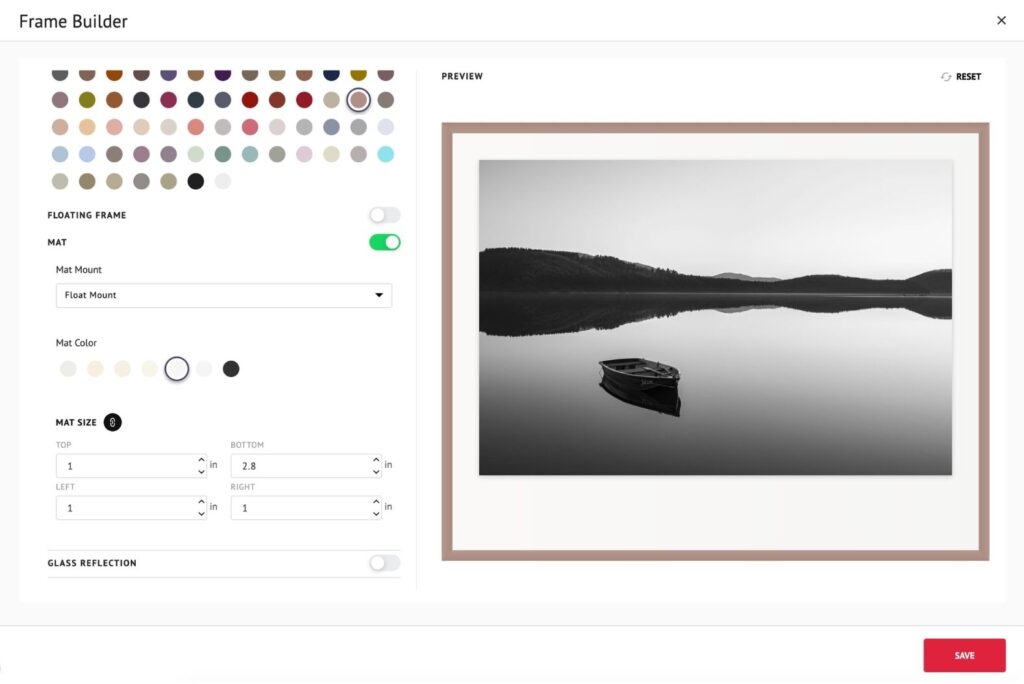
Upload your chosen art to Room Mockups or Personal Spaces and play around with framing options to find the perfect fit.
Choosing the right frame
Framing is a bigger part of how to choose art for your home than people give it credit for. The right frame can make an inexpensive print look considered and finished; the wrong one can make an original piece look like it doesn’t quite belong in the room.
Natural wood frames tend to warm up a space and suit more casual or eclectic rooms. Painted or black frames read cleaner and more modern. And mat width matters more than most people expect. If you’re wondering how to frame canvas art, a simple floating frame tends to look finished without competing with the piece.
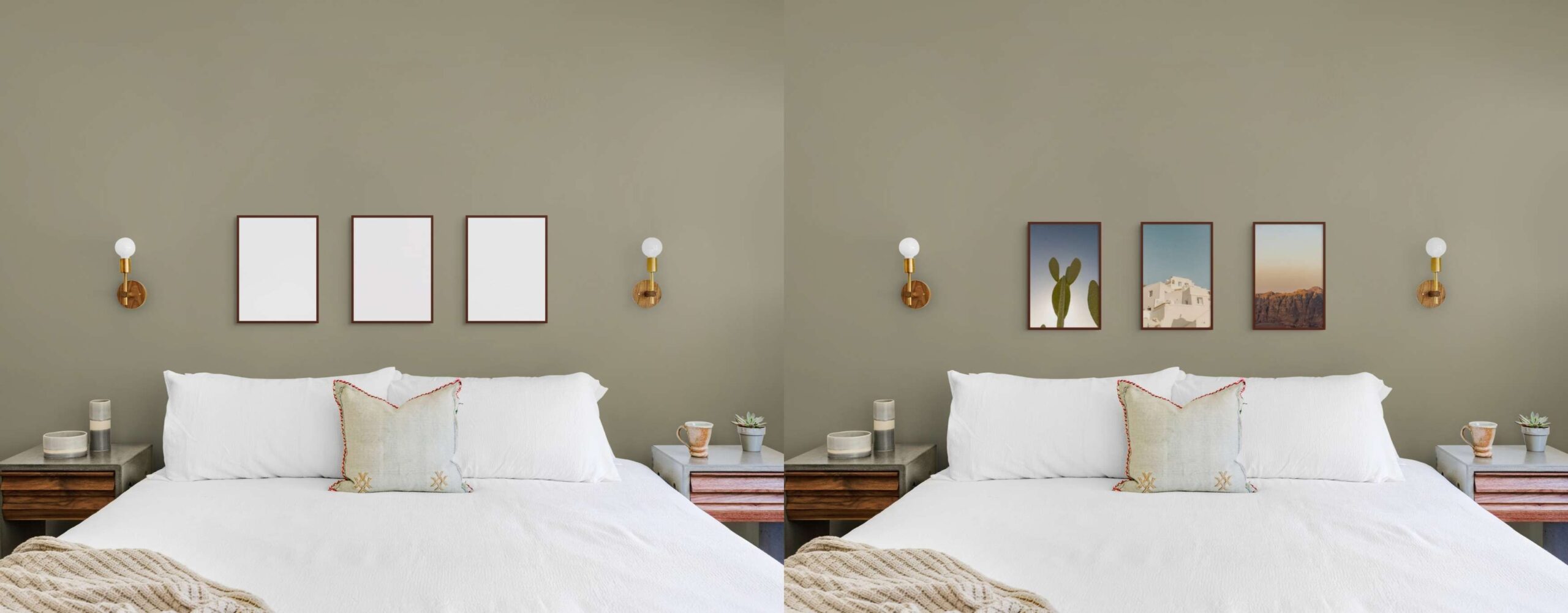
There’s no universal right answer here, which is exactly what makes it hard to decide from a product photo alone. To solve this, try Room Mockups, which work like an art mockup generator and picture frame visualizer. Upload the piece you want to hang and place it in one of our more than 2,900 rooms; there’s sure to be one that matches your vibe. Or use Personal Spaces to upload a photo of your actual room and add the art. Once the piece is in place, try out a wide variety of frame options. That way, you can see how each one fits both the art and the space around it.
Want to play around with frames? Join ArtPlacer to start your free trial and try the wall art visualizer online!
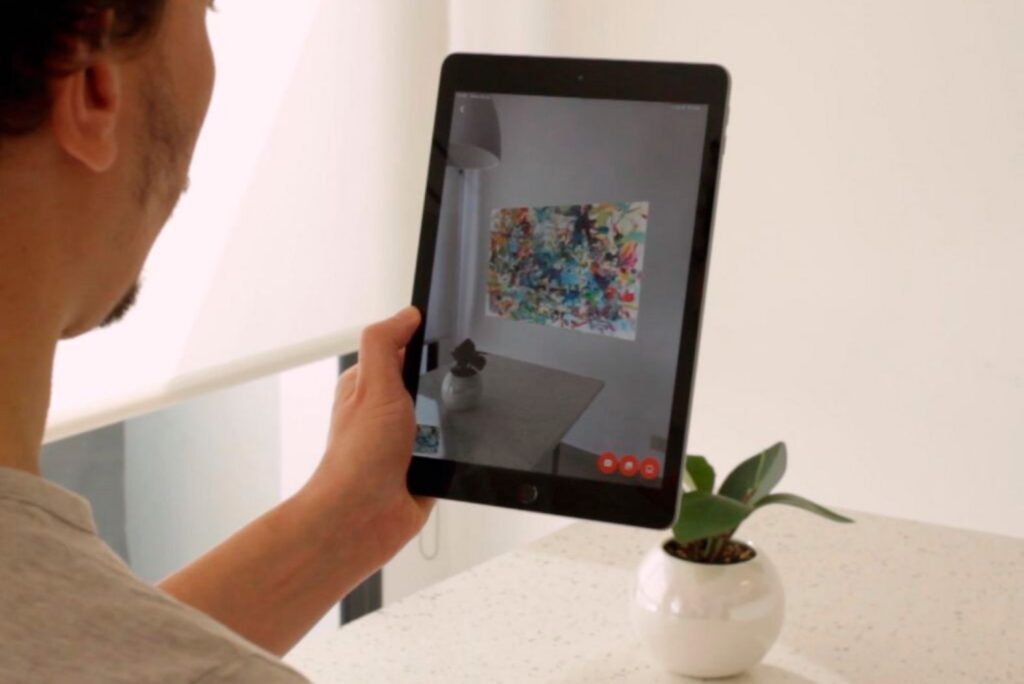
With Augmented Reality, you can point, tap, and see exactly how a piece will hang on your walls, before a single nail goes in.
How high should you hang your art?
Eye level is the rule of thumb interior designers come back to when figuring out how high to hang art. Specifically, the center of the piece should sit at roughly 57 to 60 inches from the floor, which approximates average eye height. Above a sofa or bed, that generally means leaving about 6 to 8 inches between the top of the furniture and the bottom of the frame.
Hanging too high is the more common mistake. But art that’s too high disconnects from the furniture below it and can make a room feel oddly proportioned.

And if you’re renting or just don’t want to drill to test one idea, there are solid answers to how to hang art without damaging walls. Adhesive strips and hook rails handle most lightweight pieces. Picture rail systems work well if you rearrange often.
For anything you do want to hang permanently, Augmented Reality solves the placement question cleanly. Using your phone’s camera, you can project the piece onto your actual wall in real time and check the height, scale, and placement before a single nail goes in. Galleries like Pared and ArtGal have AR implemented and ready to try.
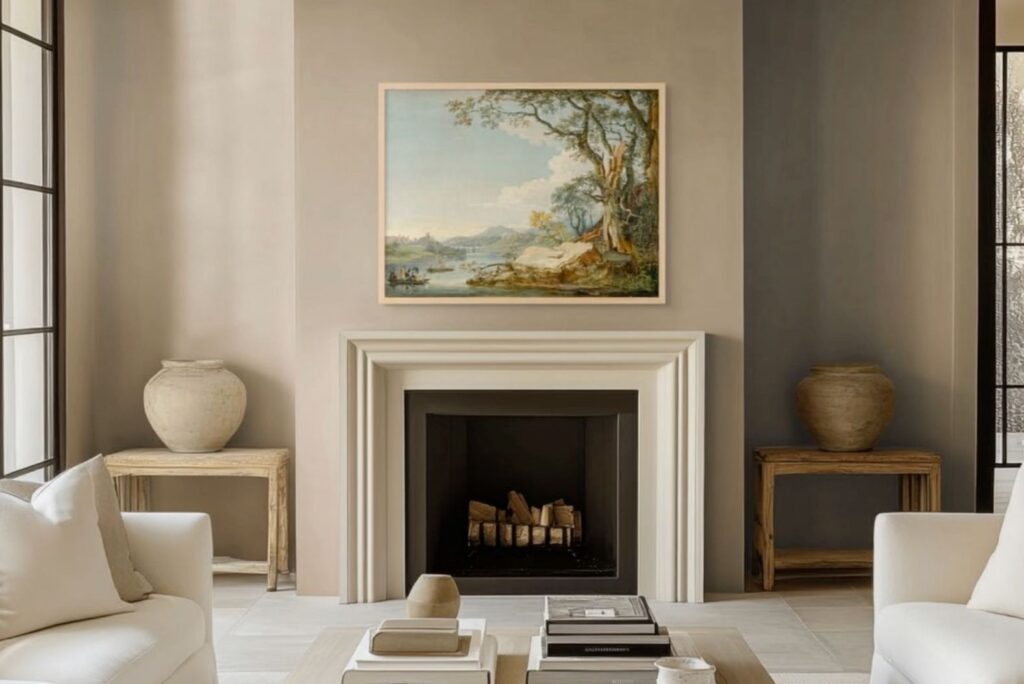
One dominant piece, sized to the mantel below it, with a perfectly matching frame. The two-thirds rule in action.
Ideas for your blank walls
Large blank wall ideas tend to feel like a bigger decision than they actually are, mostly because it’s hard to picture the options on an empty stretch of space. ArtPlacer’s Room Mockups for art make it simple to preview any wall art mockup instantly. Here are some ideas to try, room by room:
- Living room: A large-scale piece or a tight grid above the sofa anchors the whole room. If you’re working out how to choose large wall art for this kind of space, prioritize scale over quantity; one dominant piece usually does more work than five small ones.
- Bedroom: If you’re figuring out how to decorate a blank bedroom wall, softer, calmer pieces tend to work best above the bed. This is one spot where restraint pays off more than a statement piece. Doing a quick wall art visualizer check helps you confirm the piece feels calm, not busy.
- Hallways and stairwells: Narrow, vertical pieces or a running sequence of smaller works make good use of an otherwise awkward, long wall.
- Home office: Something that holds up to being looked at for hours at a time. Texture and detail tend to age better here than anything too busy or trend-driven. Run an art mockup first to judge texture and detail up close.
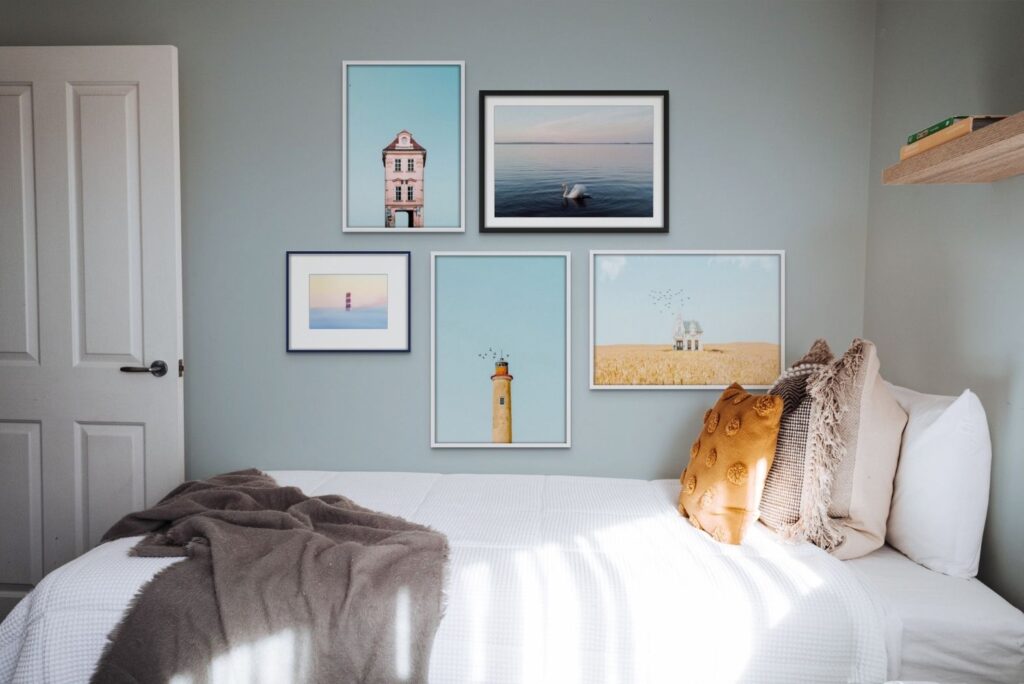
A gallery wall can work even for smaller, calmer spaces. It’s all about the pieces you choose.
Build a gallery wall that works
A gallery wall is a simple solution if you’re wondering how to choose art for a large wall. Here are some tips that make them work and can make things easier for you:
- Keep a consistent frame color or style even if the art itself varies.
- Mix and match color palettes and artwork sizes
- Leave 2 to 3 inches between pieces
- Build the layout around one anchor piece rather than treating every artwork as equal.
Trying to plan a gallery wall from scratch, or add to one you’ve already started? There’s a classic trick: lay everything out on the floor first. That’s the traditional answer to how to build a gallery wall. It works, but it’s slow, and it doesn’t tell you how the whole thing reads from across the room.
Personal Spaces is the perfect solution to this, because it can function as a true gallery wall mockup for testing layouts. It’s also a reliable art visualizer for comparing framed pieces side by side. Upload a photo of your actual wall, and you can arrange multiple pieces at true scale directly in your space, testing layouts and combinations before you commit to a single nail hole. And if you’re after a broader answer to how to arrange wall art across a whole room, the same principles apply.
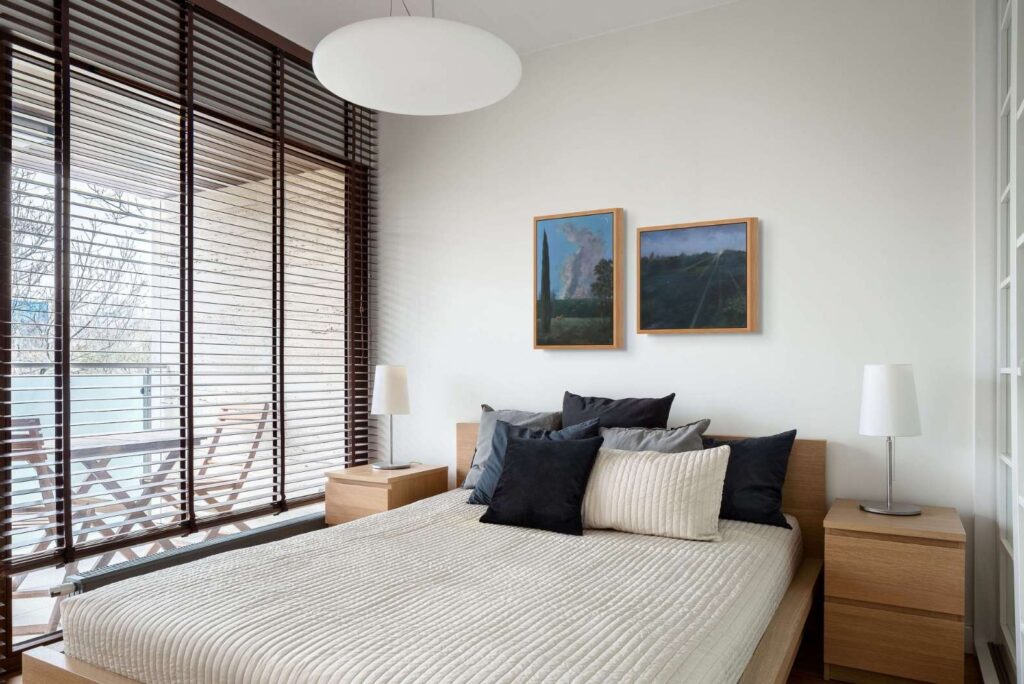
Choose it, frame it, and arrange it to your liking. Only hang it once.
See it before committing
There’s no single trick to how to choose art for your home; it comes down to a handful of decisions. What you’re drawn to, what actually fits the space, how to frame the art, and where to hang it all matter.
These questions are so much easier to solve when you have the right tools, and ArtPlacer can do that for you. Browse styles on Discover and try out frames and aesthetics with Room Mockups. Play around with layouts in your own room with Personal Spaces, and preview pieces directly on your walls with the AR Widget. Every decision in this guide is easier to make when you’re looking at the real thing instead of imagining it.
So the next time you’re standing in front of a blank wall, skip the guesswork. Choose your piece, see it in your space, and hang it once, with confidence. Start your free ArtPlacer trial today!